Solo inspection business
Handling client questions after the inspection, the triage system
The three kinds of questions clients ask after an inspection, which ones to answer, which to route, and the report habits that prevent most of them.
By Owen Murray, founder of InspectorKit · Updated July 6, 2026
The report ships, and then the phone rings. Post-inspection questions are part of the job, and how you handle them decides two things at once, how much of your week they consume and what the client says about you afterward. The inspectors who handle this well are not the most patient or the most available. They are the ones running a triage, usually without calling it that.
Every question that follows a delivered report lands in one of three buckets, and the bucket determines the move.
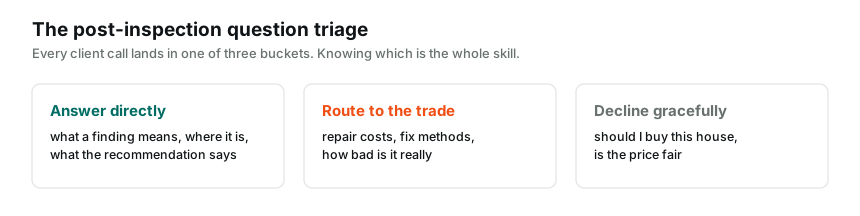
Bucket one, questions the report can answer
What does marginal mean on the water heater. Where exactly is the flashing issue. What did you mean by recommend evaluation. These are clarification questions, they are your job, and they should be welcomed, because each one is a client trying to use your work.
The move is to answer, and to answer through the document. Walk them to the finding, read the narrative with them, show the photo and its circle. Teaching the client to navigate the report is more valuable than answering the isolated question, since it converts the next three calls into self-service. It also quietly showcases the work, a report with a clean summary page, one finding per item, and photos that point, demonstrates its own quality when read aloud.
Volume in this bucket is also a diagnostic. A report generating many clarification calls is a report whose plain-language layer needs work, and the fix belongs in your narrative discipline, not in more phone time.
Bucket two, questions that belong to the trades
How much will the roof cost. Is the crack going to get worse. Could you just tell me if the furnace will last five years. These questions wear a clarification costume, and they are actually requests for predictions and prices, which are the two things a visual inspection cannot honestly supply and your liability posture must not.
The move is the warm route. Not a stiff refusal, a redirect that keeps you helpful, that is exactly the question for the roofing contractor, and the report's recommendation line routes it there, get two bids and you will have a real number instead of my guess. You stay on the client's side, the question lands with the party qualified and insured to answer it, and your report's careful language stays uncontradicted by your phone voice.
That last point deserves a sentence on its own. Everything the report declined to claim can be un-declined in a chatty phone call, and dispute depositions quote phone calls too. The routing discipline is the narrative discipline, spoken.
Bucket three, the question that is not yours
Should we buy it. Is the price fair. Would you buy this house. The purchase-decision questions arrive from anxious first-timers especially, and they are genuinely flattering, the client trusts you more than anyone else in the transaction at that moment.
The move is the graceful decline plus re-anchor. The decision belongs to them and their agent, your role was making sure they decide with the house's real condition in front of them, and then immediately give them something useful, a walk back through the summary, what the significant findings actually mean, which items are routine for a house of this age. You honor the trust without accepting a role that is not yours and that no E&O policy covers.
Preventing the calls the report can prevent
Most of bucket one and some of bucket three is preventable at delivery time, and prevention is cheaper than the best phone manner.
Same-day delivery with a text that says call me with questions front-loads the conversation to the day you remember the house perfectly. A summary written for a non-technical reader absorbs the what-matters-most call before it happens. And thirty seconds of expectation-setting at the walkthrough, here is how to read the report, summary first, every finding has a photo, does more for your phone volume than any policy.
Some inspectors add a standing offer, one included follow-up call, any time before closing. It costs little, since most clients never use it, and the ones who do were calling anyway, now with goodwill attached.
The agent's questions, a fourth bucket that is really the first
Agents call too, and their questions deserve a faster lane because they are almost always bucket one with a deadline attached, which item is going in the repair request, can they get the photo for item 9, does recommend evaluation mean a licensed structural engineer specifically. Answer these promptly and precisely, since the repair request being drafted from your report is the moment your wording does its most important work. The same routing discipline applies, no repair prices, no predictions, but the clarifications should come fast, because the agent's timeline is the deal's timeline and your responsiveness here is remembered longer than almost anything else you do.
The relationship math
A triaged question costs ten minutes. Handled warmly, it is the moment the client decides you were worth it, and that moment is what gets repeated to the next buyer at a barbecue two years later. Handled coldly, or dodged, it undoes a good inspection's worth of impression.
So the system is not about deflecting the phone. It is about answering the right questions generously, routing the wrong ones warmly, and letting the report absorb everything it can before the phone rings at all. Reachable, clear, and un-quotable on the things you never claimed. That combination is what professional sounds like after the invoice is paid.
Common questions
Am I obligated to take follow-up calls at all?
Legally that depends on your agreement, practically you should want the reasonable ones. A ten-minute clarification call is the cheapest referral investment in the business, and the inspector who is reachable after delivery is the one clients describe as great to work with. The triage exists so the reasonable calls stay reasonable.
What do I say when a client asks if they should buy the house?
That the purchase decision is theirs and their agent's, and that your job was documenting the house's condition so they can make it with full information. Then re-anchor to the report, walk them back through the summary and what each significant finding means. It respects the question without answering what you cannot answer.
How do I handle the client who calls about every line item?
Kindly, once, with a walkthrough of how to read the report, the summary first, then the conditions scale, then where the narratives live. Anxious clients usually calm down once they understand the document's structure. The ones who do not are telling you the report needed a clearer summary, which is feedback worth taking.